LCCI STATEMENT ON NEW PETROL PUMP PRICE BY NNPC LIMITED.
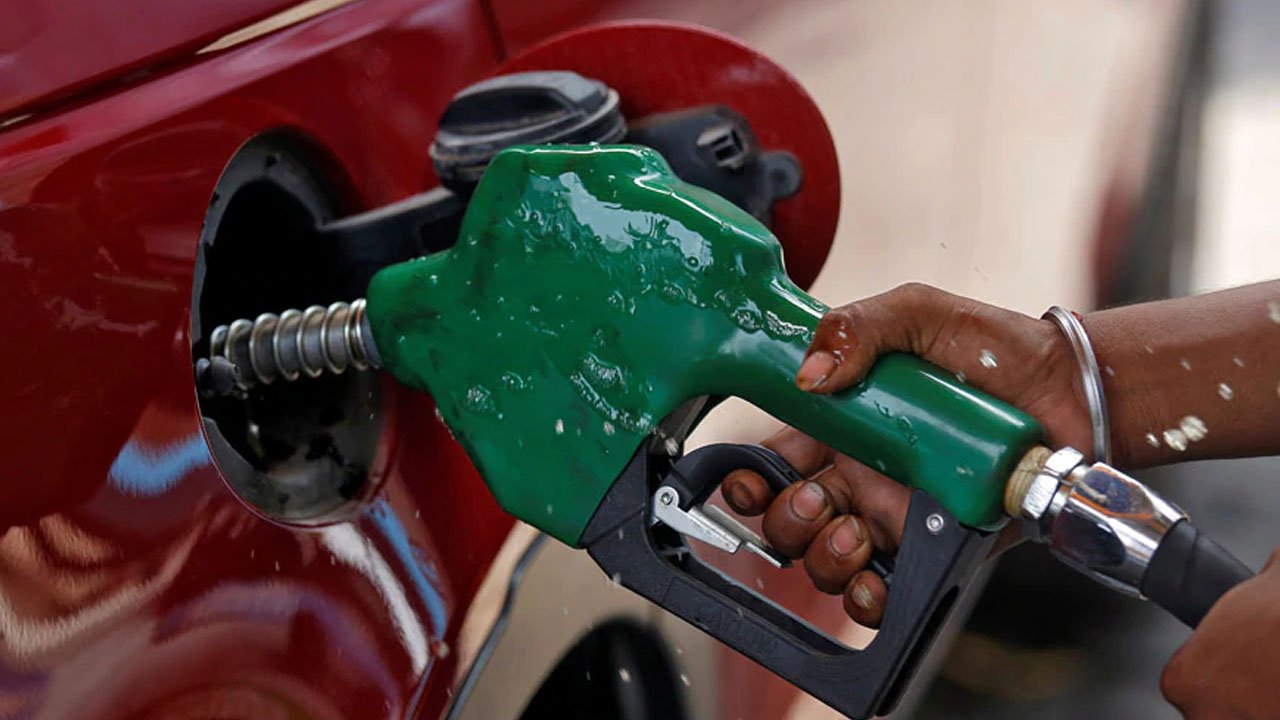
The Chamber wishes to express some concerns about the latest increase in petrol pump prices across the states. We try to understand that the recent fuel price hikes could be government’s intention to fully deregulate the oil and gas sector and implement a complete fuel subsidy removal policy. However, the dynamics and controversies around these steps create most of the distortions we experience in the business environment, making businesses operate under dark clouds of uncertainties. It has become difficult to understand the plans and moves taken by the Ministry of Petroleum Resources, the Nigerian National Petroleum Corporation Limited, and the various oil and gas sector regulators in the face of recent happenings. The controversies surrounding the working relationship between NNPCL and the Dangote Refinery are equally confusing.
Businesses have continued to suffer from increasing burdens of rising operating costs incurred on logistics, power supply, scarcity of FOREX for critical input, and inflated costs on third-party sourced services. With the CBN’s monetary policy rate at 27.25 percent (with allowance up to about 34%), inflation elevated at 32.15 percent (August 2024), an exchange rate above N1620 per USD Dollar, and an unemployment rate at 5.3 percent, we run a business environment that is too tense for businesses to thrive. Since the inception of this administration, petrol prices have risen by about 430 percent to date. These indicators may worsen in the coming months due to a thriving speculative environment, harsh regulatory ecosystem, unguided controversies, persistent insecurity challenges, and weakening purchasing power that restrains demand for goods and services.
Addressing these challenges will require a multi-pronged approach involving social, political, and economic considerations.
- The government must come out clean on whether fuel subsidies have been removed entirely or partially.
- The regulatory agencies in the oil and gas sector should let us know what quantity of fuel is consumed locally in Nigeria.
- We must increase crude oil production and reduce oil theft to ensure our crude does not get to neighbouring countries where they are refined and imported back to Nigeria.
- We should implement the Petroleum Industry Act (PIA) to support a fully deregulated oil and gas sector. This will reduce the uncertainties and irregularities in the sector, enhance the sanctity of contracts, and attract foreign investments.
- We have always recommended that saved subsidy funds should be invested in building infrastructure that can cushion the impact of a tightening economy.
In most of our recent statements to the media, we have consistently recommended the need for fiscal stimulus and non-cash interventions to cushion the burdens unleashed through the tight monetary stance of the government in the past 18 months. In the situation we find ourselves, we urge the government to stay focused and more vigorous regarding the ongoing interventions like the removal of some taxes, the transition to Compressed Natural Gas (CNG) mobility, the Crude for Naira scheme, and the suspension of some import duties. The CNG mobility initiative must be supported with CNG refuelling stations nationwide and credit facilities to support quick conversion and usage.
We also recommend pegging import duties at an exchange rate of N1000 to 1USD to provide much-needed fiscal stimulus. This would stabilize costs for manufacturers who rely on imports, boosting productivity and enabling long-term planning. A fixed rate would lower production costs, leading to increased output and job creation. It would also benefit the broader economy by fostering growth in related sectors like logistics and retail, ultimately supporting Nigeria’s economic stability and expansion.
Further, LCCI proposes that crude oil supplied to refineries in Naira be pegged at an exchange rate of N1000 to 1 USD. This would significantly lower the cost of petrol for end users, thereby reducing logistics and transportation expenses. The ripple effect would stimulate economic activity and help alleviate the current financial hardships faced by Nigerians. It will also significantly contribute to the reduction in food inflation since transport costs are a major component of food production and delivery costs.
At a crossroads with policy directions, Nigeria needs a positive national orientation to navigate the stormy waters we find ourselves in today. We therefore recommend that the government come plain to Nigerians and businesses on the direction of their policies and what near-term achievements are possible. This will build some level of certainty to support business planning and decisions.
MR GABRIEL IDAHOSA, FCA
PRESIDENT
LAGOS CHAMBER OF COMMERCE AND INDUSTRY [LCCI]
OCTOBER 11TH 2024