LCCI STATEMENT ON THE PASSING OF FORMER PRESIDENT MUHAMMADU BUHARI, GCFR
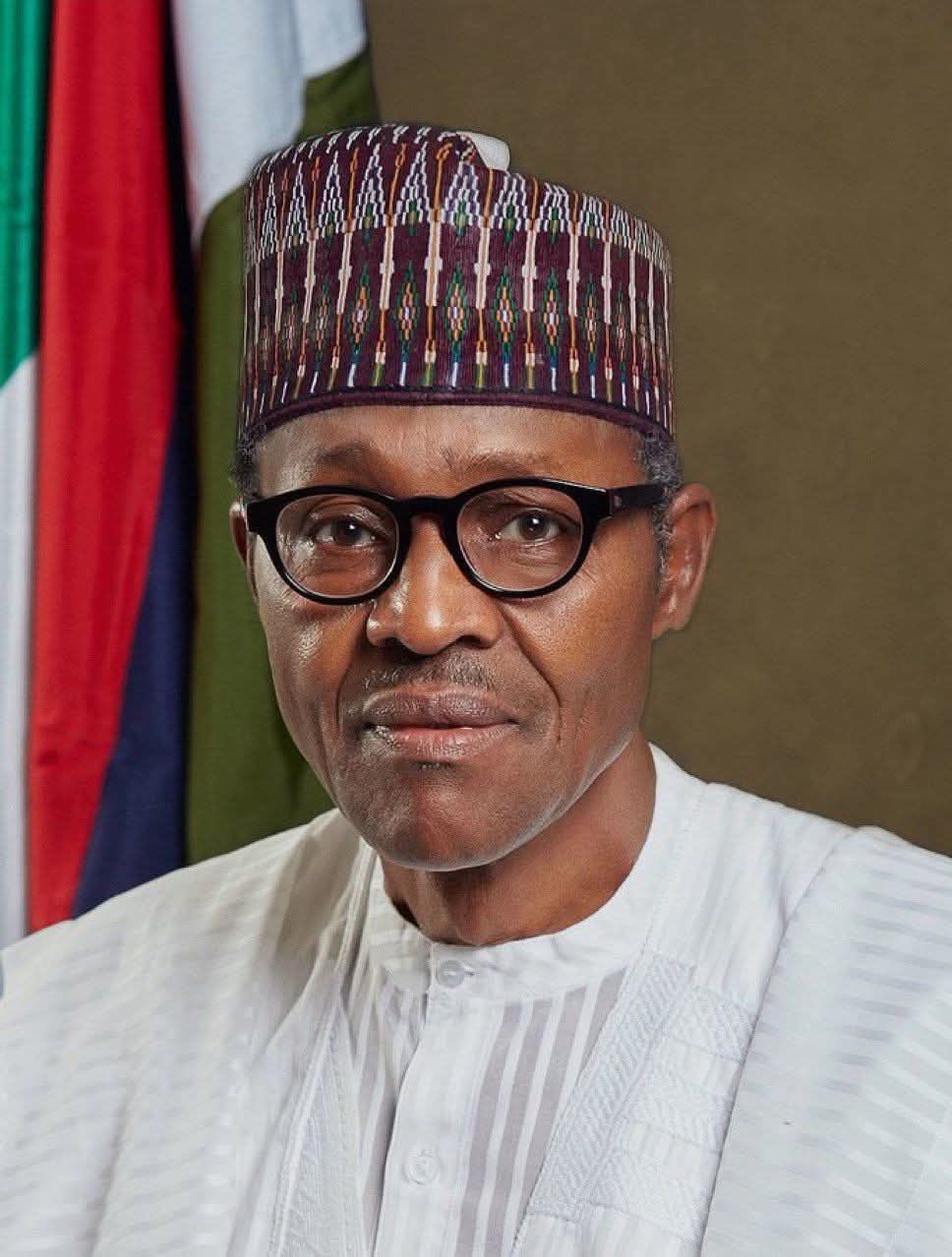
The Lagos Chamber of Commerce and Industry (LCCI) extends its deepest condolences to the family of former President Muhammadu Buhari, the Government of the Federal Republic of Nigeria, and all Nigerians on his passing. As a statesman who led the country from 2015 to 2023, President Buhari leaves a legacy defined by a deep commitment to fighting corruption, blocking revenue leakages, fighting insurgency, structural reforms, and infrastructure development.
Throughout his tenure, President Buhari demonstrated an unwavering focus on laying the foundations for a self-reliant, resilient, and transparent economy. His administration navigated through turbulent global and domestic headwinds, oil price collapses, recessions, security challenges, and the COVID-19 pandemic, yet pursued long-overdue reforms with strategic patience and political courage.
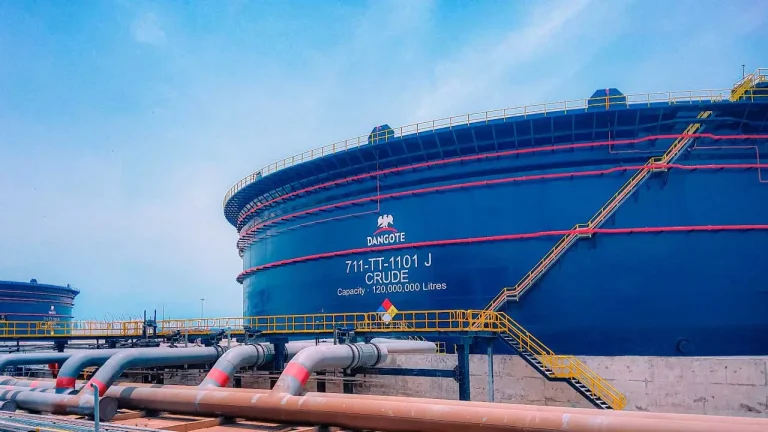
One of the most notable milestones of his administration was the enactment of the Petroleum Industry Act (PIA) in 2021, ending nearly two decades of legislative inertia in Nigeria’s oil and gas sector. The PIA introduced a modern regulatory framework, ensured fiscal clarity, empowered host communities through equity-based development funds, and restructured national oil institutions for greater efficiency and competitiveness. This landmark reform will serve generations to come.
President Buhari signed the Companies and Allied Matters Act (CAMA) 2020, a sweeping update to Nigeria’s business regulation framework. The act simplified corporate processes, enabled single-member companies, and introduced governance transparency through beneficial ownership disclosures, boosting investor confidence and modernizing the private sector environment.
The administration institutionalized annual Finance Acts (2019–2022) to reform the country’s tax policies, broaden the non-oil revenue base, and improve compliance, all within a stakeholder engagement framework. These were accompanied by the Deep Offshore and Inland Basin Production Sharing Contract (Amendment) Act, which improved Nigeria’s revenue position in deepwater oil production.
In infrastructure, President Buhari’s government oversaw the completion of key national projects such as the Second Niger Bridge, Lagos-Ibadan and Itakpe-Warri rail lines, and over 13,000 kilometers of rehabilitated roads across the federation. The Presidential Power Initiative with Siemens aimed to boost power transmission and distribution in the energy sector. The digital economy also saw significant progress through expanded broadband coverage and the National Digital Economy Policy and Strategy launch, setting the stage for Nigeria’s thriving tech ecosystem.
Recognizing the vital role of entrepreneurs and small businesses, President Buhari championed several programs to support Micro, Small, and Medium Enterprises (MSMEs). These included the MSME Survival Fund, N-Power, Trader Moni, and Market Moni schemes. The enactment of Executive Orders 003 and 005 mandated government agencies to prioritize locally produced goods and services, supporting indigenous enterprises and innovation. Through the Presidential Enabling Business Environment Council (PEBEC), significant strides were made in simplifying business registration, port operations, and tax processes, earning Nigeria improved rankings in the World Bank Ease of Doing Business index.
In governance, the Buhari administration made significant efforts to strengthen public finance and reduce waste through the implementation of the Treasury Single Account (TSA), initiated by the Jonathan Administration, Integrated Payroll and Personnel Information System (IPPIS), and the Whistleblower Policy, all of which contributed to greater fiscal transparency and accountability in the public sector.
While opinions may vary across sectors and regions, there is broad acknowledgment that President Buhari’s legacy lies in his emphasis on systems building, long-term reform, and governance structures that promote self-sufficiency and institutional continuity. His vision of a Nigeria driven by local content, economic discipline, and national resilience will remain relevant in the country’s journey toward sustainable development.
The Lagos Chamber of Commerce and Industry pays tribute to a leader who pursued economic reform with integrity and commitment. We call on current and future leaders to build on these foundations and continue to advance policies that support enterprise, innovation, and inclusive growth. Current and future administrations are also expected to learn lessons from any mistakes made during his tenures.
May his soul rest in perfect peace.
Dr. Chinyere Almona, FCA
Director General
Lagos Chamber of Commerce and Industry (LCCI)
Monday 14th July 2025